Public reach is dying. Organic reach on Facebook and Instagram keeps dropping while feeds get flooded with low quality, AI generated content. And smart brands have already figured out where the real engagement is happening: private spaces. Discord servers, Slack groups, WhatsApp communities, niche forums.
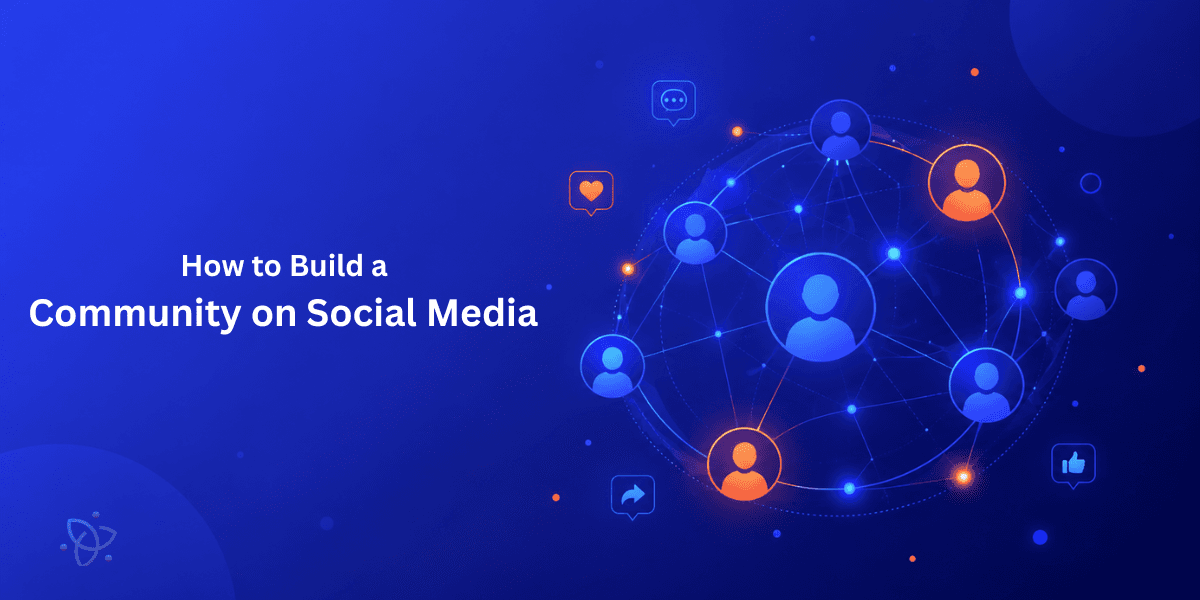
If you are a social media manager still betting everything on public posts, you are fighting for scraps in an algorithm that does not want to show your content anyway. Learning how to build a community on social media, one people actually stick around in, is what separates the brands winning in 2026 from the ones just posting into the void.
Here is exactly how to do it.
Why Public Reach Is Dying (And Private Communities Are Winning)
Social platforms are increasingly pay to play. If you want reach on public feeds today, you are mostly paying for it through ads. Meanwhile, community driven platforms like Discord, Slack, and WhatsApp are becoming high value engagement hubs where brand loyalty gets built through consistent, meaningful conversation instead of a single viral post.
This is not a small shift. Experts across the industry are calling community management one of the defining trends of 2026, precisely because it works when public reach does not.
What Community Management Really Means in 2026
Old school community management meant posting content and replying to a few comments. That is not enough anymore.
Real community management in 2026 means creating a space where your audience talks to each other, not just to your brand. It means showing up consistently, not just when you have something to promote. And it means treating community members like people you know, not like a follower count.
The Framework: Building a Community That Does Not Die in 30 Days
Most branded communities fail fast because they are launched with excitement and abandoned within a month. Here is a framework that avoids that trap.
Choose the right platform for your audience
Do not default to whatever platform is trending. A B2B audience of marketers behaves very differently on Slack than a Gen Z consumer audience does on Discord. Go where your audience already spends time having real conversations, not just scrolling.
Set an engagement cadence
Communities die from silence. Set a rhythm: a weekly discussion thread, a daily prompt, a monthly AMA. If you are planning these cadences around content themes, pairing them with trending topics helps a lot. Our hashtag generator is a quick way to spot what is trending before you plan your weekly threads.
Give people a reason to come back
Content is not the reason people stay in a community. Conversation is. Ask questions instead of only posting announcements. Let members answer each other before you jump in.
Recognize and reward active members
Visible recognition keeps people engaged far longer than any content calendar can. At MarketersClique, we have handed out over 2,000 badges to active members, and that recognition system is a big reason our community keeps coming back. If you want to see how a badge and recognition system works in practice, you can join the community and check it out firsthand.
5 Mistakes Social Media Managers Make When Building Communities
- Launching without a content or conversation plan. A community with no rhythm goes quiet fast.
- Only posting, never asking. One way broadcasting is not community building, it is just another feed.
- Not tracking engagement. If you do not know your engagement rate, you cannot tell if your community is actually growing healthier or just growing bigger. Our free engagement rate calculator makes this a two minute check instead of a spreadsheet headache.
- Ignoring the quiet members. Most people lurk before they participate. Give them low pressure ways to engage, like polls or simple prompts.
- Treating community as a side project. The brands winning at this in 2026 treat community management as a core function, not an afterthought handled in spare time.
Tools to Make Community Management Easier
You do not need to build your community strategy from scratch every week. Plan Maker, powered by Clique Strategist AI, can help you map out content and conversation themes for your community in minutes instead of hours. Try it at Plan Maker.
And if you want the full picture of what is available, our free tools hub has calculators, generators, and planning tools built specifically for social media managers.
Where to Start Practicing This Without Building From Zero
The fastest way to learn community management is to be part of one that is already working. MarketersClique is home to over 2,500 marketers and 8,500 conversations, all social media managers sharing what actually works instead of theory.
You do not have to figure this out alone. Come see how an active, engaged community actually runs from the inside.
Join MarketersClique free and start applying this framework with people who are doing it right now.